Paying the debt is a big step. Now make sure your credit record shows it.
A judgment against your name can make getting credit harder and what happens when you’ve paid the debt must not be discounted.
If you need to know how to clear a judgement against your name, there’s an important starting point: paying a judgment debt can mean the judgment listing must be removed from your credit record.
And you don’t always need to go back to court to make that happen.
Start by checking your credit report
First, check what is showing against your name. Look for the judgment and check the creditor, amount and other details.
If something seems wrong, don’t ignore it. You have the right to dispute wrong information on your credit report.
Of course, if the judgment is yours and you still owe the money, the next step is to deal with the debt.
Paid the judgment? Keep your proof
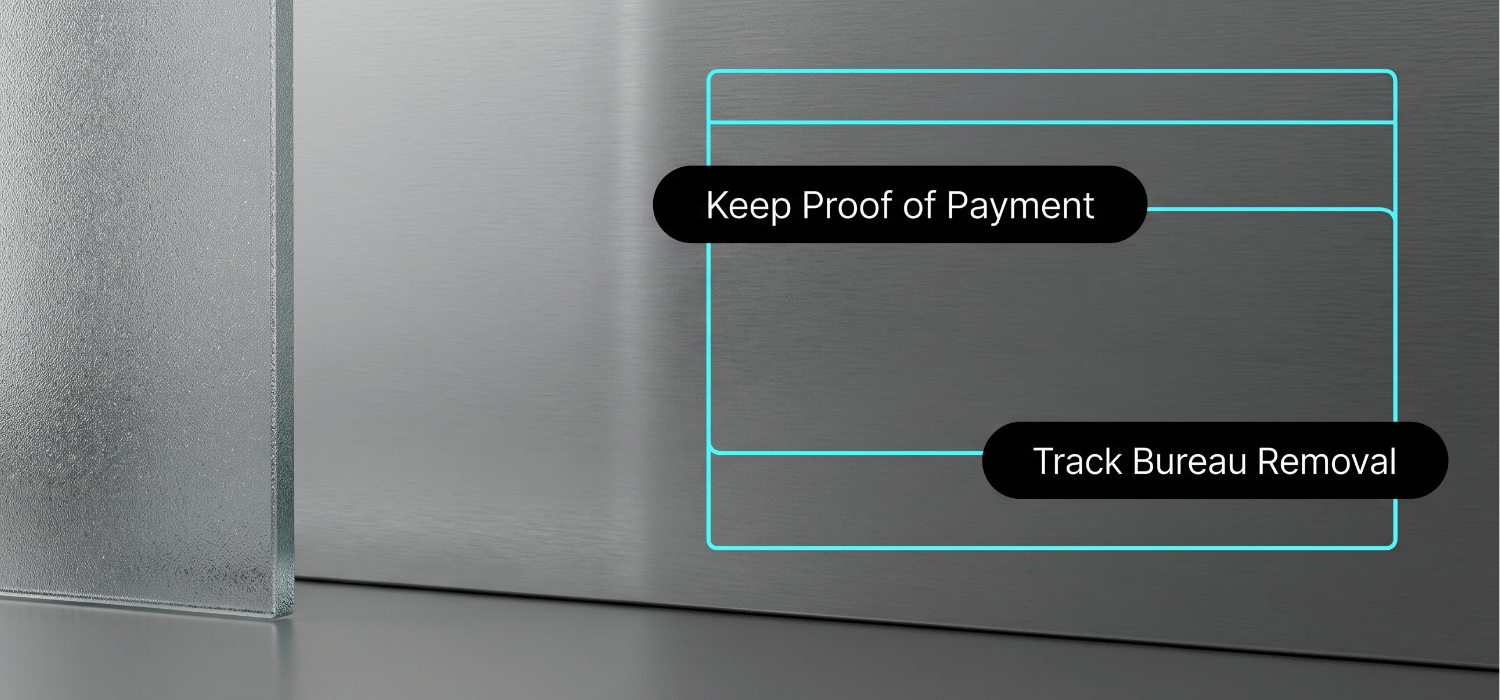
Once you have paid the judgment debt, keep proof that it has been settled. This can include proof of payment or written confirmation from the creditor or their attorney.
You may also hear people talk about a satisfaction of judgement letter. You must have clear proof that the judgment debt has been paid.
You don’t always need a rescission to clear your credit record
This part can get confusing.
Removing a paid judgment from your credit record and having the actual court judgment rescinded are two different things.
A rescission of judgement in South Africa is a court process used to ask a court to set aside a judgment. If your aim is to remove a judgement from your credit record after paying it, you don’t automatically need this first.
There are different reasons why someone may apply for rescission.
For example, there may be a problem with how a default judgment was granted. There are also court rules that allow an application for rescission after a judgment debt, interest and costs have been paid in full.
If you’re not sure whether you need rescission, get legal advice before starting a court process.
Now, how long to clear a judgement in SA after you’ve paid?
Under the National Credit Act in South Africa, the credit provider must tell the registered credit bureaus about the settlement in seven days.
The credit bureau must then remove the judgment listing within another seven days after receiving that information.
Follow up if the judgment is still showing
Keep this two-week timing in mind and diarise to follow up, if needed. The law may set the reporting and removal periods above, but that doesn’t mean you should think it’s all just done and dusted.
Look at your credit report again.
If the paid judgment is still there, contact the credit bureau and lodge a dispute. Send them your proof that the debt has been paid and keep copies of everything you submit.
Don’t assume the problem will sort itself out. You need to take clear action to make sure your finances are safe.
Check what’s showing against your name
Get your latest Finance365 credit report and check the information recorded against your name. If something that should have been removed is still showing, you can take steps to get it corrected.