5 things to know about these credit listings and what to do next
If you apply for credit and get declined, one reason could be an adverse listing on your credit report.
When we speak of an ‘adverse listing’, it just refers to there being negative information on your credit report. It usually shows that something went wrong with a credit account, like a missed payment or legal action taken against you.
It does not mean your financial life is over. But it does mean you need to know what is listed, why it is there, and if it is correct.
Here are five things to know.
1. An adverse listing is a warning sign
An adverse listing tells credit providers there may have been a problem with how you managed credit.
A late payment is not always the same as a serious credit report adverse listing. But if, for example, you keep missing your payments on an account, it will become more of a problem.
2. There are different types of adverse listings
In South Africa, the most common types of adverse listings include a default, handed-over account, legal action, judgment, or debt review record.
A default usually means you did not pay as agreed. A handed-over account may have been sent for collection. Legal action means steps may have started to recover the debt. A judgment is a court order.
Some listings are more serious than others, but all can affect how credit providers view your application.
3. These listings can stay on your report for a while
Defaults, judgments, debt review information, and payment history are not all treated in the same way.
That is why it helps to get your credit score regularly and check your credit report properly. You want to know what is listed, when it was listed, and if it should still be there.
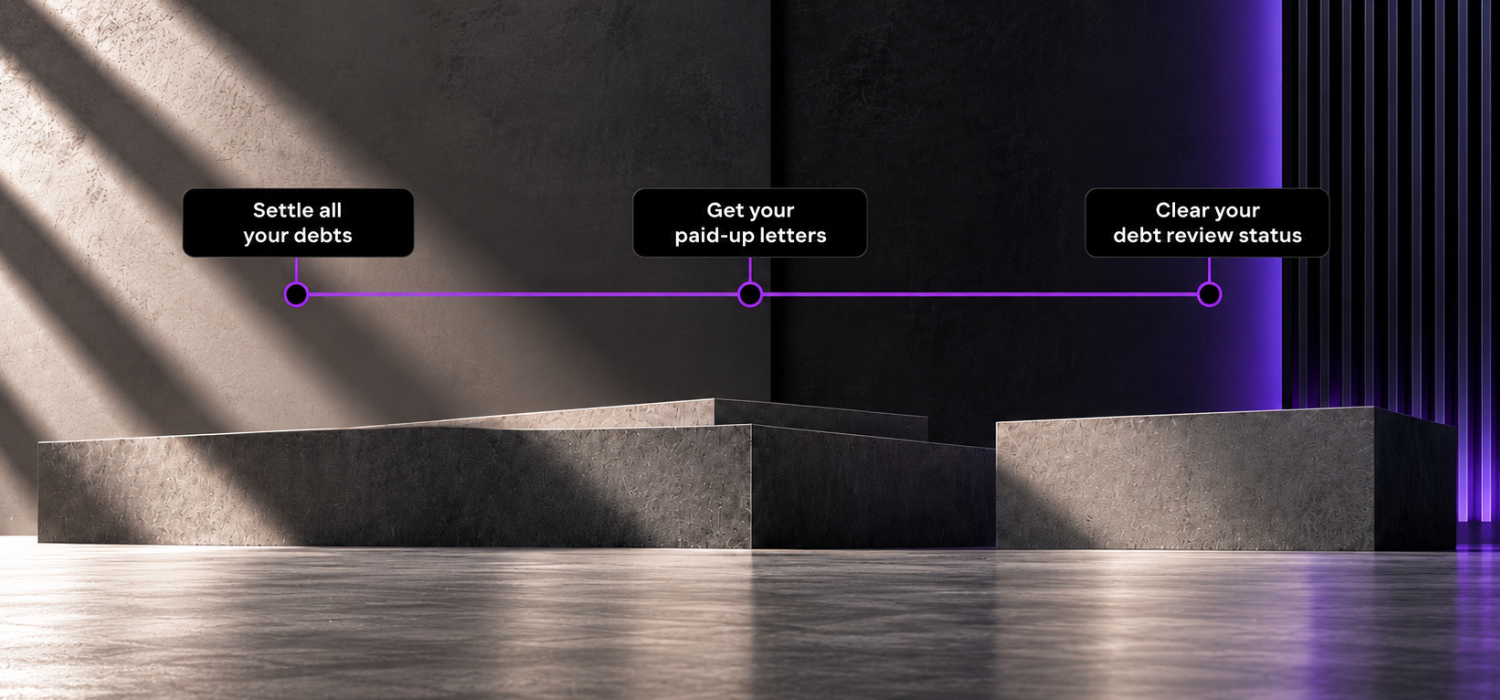
If you pay or settle an account, keep proof, like proof of payment or a paid-up letter.
4. They can affect future credit applications
A credit report adverse listing can make it harder to get approved for credit. It can also affect the interest rate you are offered.
Credit providers use your credit report to understand risk. If your report shows unpaid accounts, legal action or missed payments, they may see you as a higher-risk customer.
Once again, that is why it helps to check your report before you apply for credit.
5. The removal of adverse listings depends on the details
The removal of adverse listings depends on if the information is correct.
If the listing is wrong, listed twice, too old to still appear or not yours, you can dispute it with the credit bureau behind your credit report.
Start by getting your credit report. Find the item that looks wrong and gather proof.
If the listing is incorrect, it should be corrected or removed. If it is correct, you usually cannot simply “delete” it. But you can pay or settle the debt, keep proof, and make sure the credit provider updates the bureau.
What to do next
Do not guess. Always check.
Check what the listing says. Make sure the account is yours. Check if the amount looks right. Look at the dates. Get and keep proof of payment. Dispute anything that looks wrong.
Then focus on what you can control. Pay all your current accounts on time. Avoid credit you cannot afford. Keep your balances as low as possible. Check your credit report often enough to catch mistakes early.
All of this is in your power to handle. It just takes regular check-ins on your credit information.
Don’t see adverse listings as a step backwards
An adverse listing is easier to deal with when you know exactly what it says. Check your credit report with Finance365 today. See what is listed, understand what it means, and take the next right step for your credit health.