
7 signs + 7 steps to give you back credit control
If your debt feels too heavy to handle, you’re not alone. Many South Africans are working hard, raising families and still struggling to keep up with rising costs.
Sometimes it’s not about spending too much. It’s about life costing more than you earn, and over time, debt starts to build up quietly in the background.
In this article, we identify 7 signs that show your debt may be getting out of control. But we don’t stop there. We outline 7 steps with simple debt management tips South Africa’s readers can use to find their feet financially.
SEEING THE SIGNS:
Sign #1: You’re using one loan to pay another
This shows you’re relying on new debt to cover old debt, which keeps the cycle going.
Sign #2: You can only afford minimum payments
Paying the bare minimum means your bank balance barely moves while interest keeps piling up.
Sign #3: You’re missing payments or paying late
Falling behind can hurt your credit score and make catching up harder every month.
Sign #4: You’re avoiding calls or messages from creditors
If you dread those reminders, it’s a sign that your stress is growing and support might help.
Sign #5: You’re using credit for everyday costs
When groceries, petrol or school costs go on credit cards instead of cash, your budget may already be stretched too thin.
Sign #6: You feel anxious or lose sleep about money
Debt stress is real. Worrying about repayments can affect your health, focus and relationships.
Sign #7: Your income isn’t covering your essentials
If you’re running short before month-end even after paying the basics, your debt level may be too high.
If you can relate to any of these, don’t lose motivation. These signs don’t mean failure. They simply mean it’s time to act.
HERE’S WHAT YOU CAN DO:
Step 1: List and organise your debts
Write down every debt you owe, even the small ones. Include the creditor name, balance, interest rate and minimum payment. Seeing it all clearly helps you plan your next move.
Step 2: Create a realistic budget
You can’t manage what you don’t measure. Start by listing your income and essential expenses like rent, transport, groceries and school fees. Then see what’s left for debt repayment. If it’s too tight, cut back for a while on non-essentials such as eating out or subscriptions.
Plan a repayment budget that fits your situation, including budgeting to reduce debt over time.
Step 3: Prioritise which debts to pay first
Decide which debts to tackle first. There are two common ways to do this: 1) Debt snowball: Pay off the smallest debt first for quick wins, and 2) Debt avalanche: Focus on the debt with the highest interest rate to save more in the long run.
If you’re not sure which approach is best for you, Finance365 can guide you with practical debt management tips for your goals.
Step 4: Explore debt consolidation options
If you have several loans or credit cards, a debt consolidation loan can make them into one monthly payment, often at a lower interest rate.
Step 5: Ask for professional help early
If you’ve already fallen behind, consider credit counselling South Africa services, also called debt counselling. This legal process under the National Credit Act protects you from creditors and helps you repay debt affordably.
Step 6: Stay motivated and manage stress
Debt isn’t only about numbers. It can affect how you feel, think and even your sleep patterns. Make progress visible: tick off paid accounts, celebrate milestones and track your balance going down each month.
Step 7: Rebuild your credit slowly
Once you’re back on track, focus on a healthy financial foundation. Keep paying bills on time, check your credit report here regularly and use small amounts of credit responsibly to rebuild trust with lenders.
Don’t let debt define you. You can redefine your financial future.
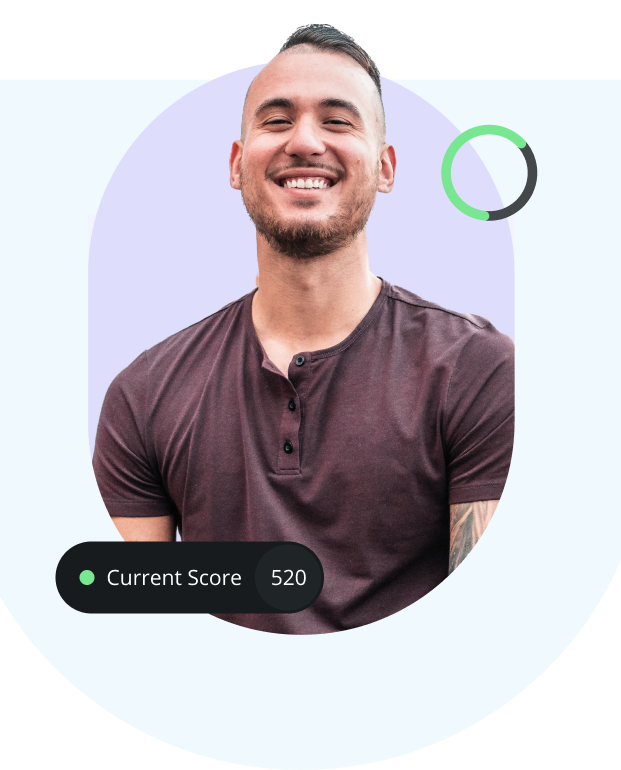
We have easy to use tools and trusted partners to help you monitor your credit and manage your debt. An easy first thing to do is to check your credit score. As a subscriber of Finance365, you can also receive tips on how to plan credit repayments and take confident steps toward a debt-free future.